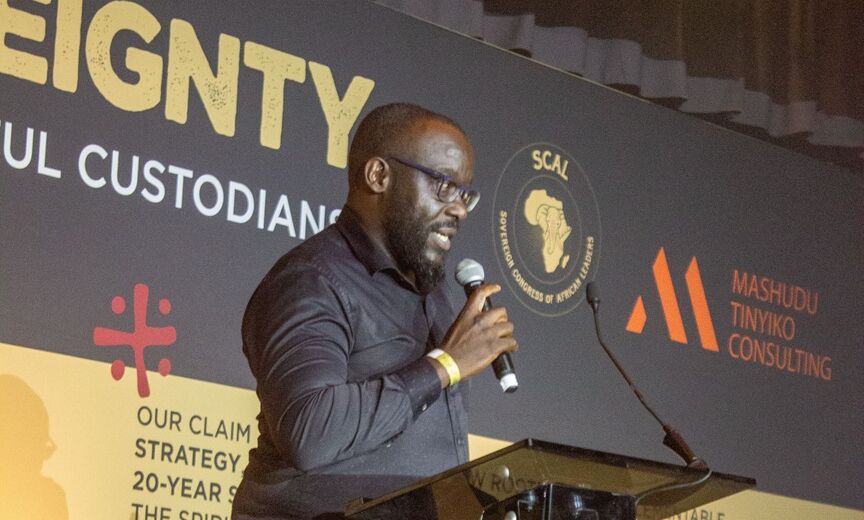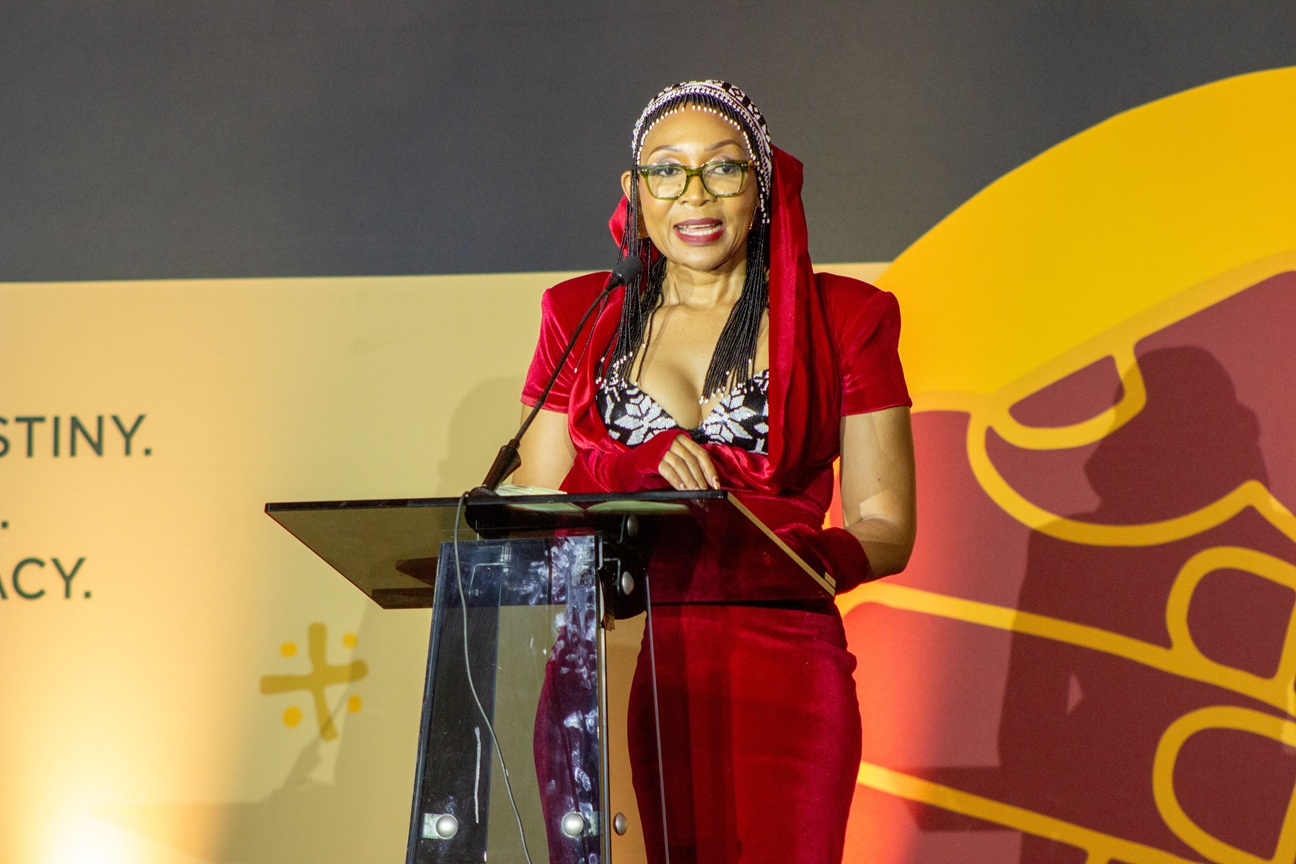
While the African Sovereignty Blueprint (2025–2045) is a cultural milestone, its true power lies in its aggressive commercial strategy. The partnership between the Sovereign Congress of African Leaders (SCAL) and Mashudu Tinyiko Consulting (MTC) has moved traditional leadership into the realm of high-stakes asset management and industrial growth.
At the center of this 20-year roadmap is the transition of traditional authorities from land custodians to active economic participants.
1. The SCAL Development Fund (SDF): Mobilizing Ancestral Wealth
The blueprint identifies “Dead Capital”—vast tracts of traditional land that remain economically inactive—as the primary obstacle to sovereignty. The SDF serves as the internal investment vehicle designed to bridge this gap.
- Capital Goal: Securing $100 million by 2036.
- Asset Focus: Leveraging land for commercial agriculture, green energy, and infrastructure.
- The MTC Edge: Mashudu Tinyiko Consulting provides the de-risking expertise, ensuring that traditional lands are bankable and attractive to global institutional investors.
2. Industrialization of the Rural Economy
The blueprint rejects the idea that progress only happens in cities. Instead, it categorizes rural traditional territories as “Industrial Hubs.”
The Indigenous Chicken Farming Project (Mpumalanga)
As the first official pilot project of the blueprint, this initiative serves as a scalable model for food security. Unlike commercial broiler operations, this project focuses on indigenous strains, which are hardier and command a niche market premium.
- Scale: Designed to empower local households while centralizing supply chains through the SCAL Foundation.
- Impact: Creates a sustainable revenue model that avoids the volatility of traditional retail cycles.
3. Leadership Transformation: The SCAL Academy
To manage this new economic era, the blueprint introduces the SCAL Academy. This institution is tasked with training the next generation of traditional leaders—Kings, Queens, and Chiefs—in modern governance.
Core Curriculum Categories:
- Financial Literacy & Asset Management: Understanding global markets and capital procurement.
- Modern Diplomacy: Navigating the frameworks of the AU and the United Nations.
- Governance & Legal Oversight: Implementing the “Zero-Failure” audit standards within their own traditional councils.
4. Digital Sovereignty: The ERP Integration
A standout feature of the blueprint is the use of Enterprise Resource Planning (ERP) systems. By digitizing the traditional economy, SCAL ensures real-time transparency for every project under its banner. This digital layer allows global partners to monitor investments directly, solving the historic challenge of “transparency risk” in rural development.
“We are not just looking back at our heritage; we are looking forward to how that heritage can be the foundation of a modern, self-sufficient Africa,” says Ambassador Professor Thabo Mpyane.
Key Milestone Timeline
| Period | Strategic Focus | Expected Outcome |
| 2025–2029 | Pilot & Proof | Successful launch of the first 10 projects. |
| 2030–2036 | Capital Accumulation | Reaching the $100M fund target. |
| 2037–2045 | Institutional Maturity | Global recognition as a sovereign economic bloc. |